Noisy Neighbors Presentation: The Art of Sound Design in Animation
How often do you pay attention to sound design in film?
Sound is often among the least consciously noticed elements by average audiences, yet they play an important role in shaping a story.
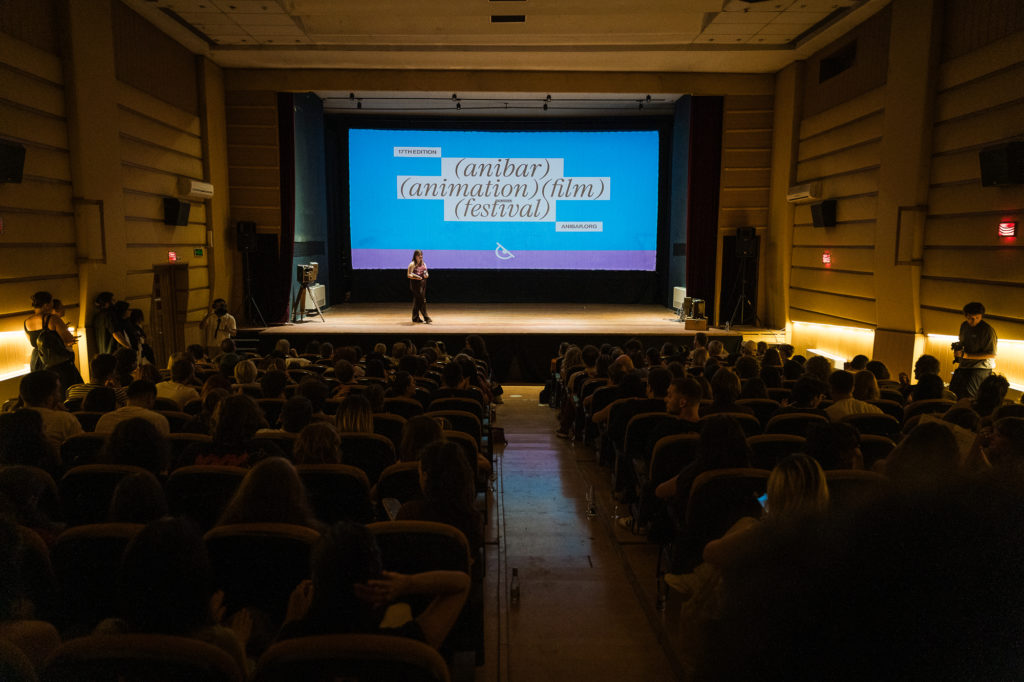
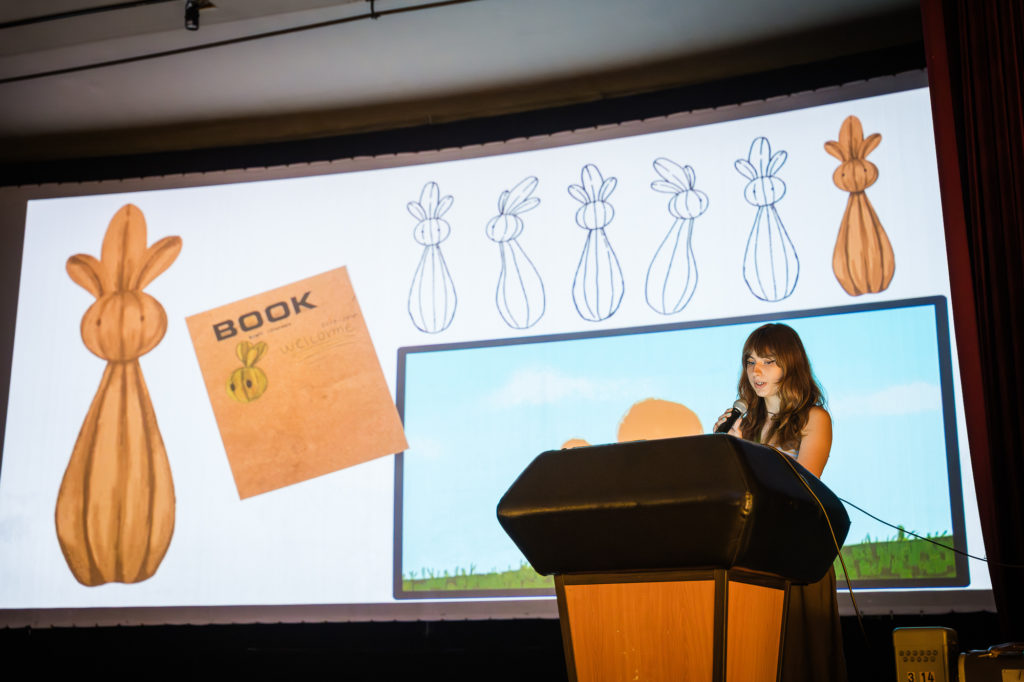
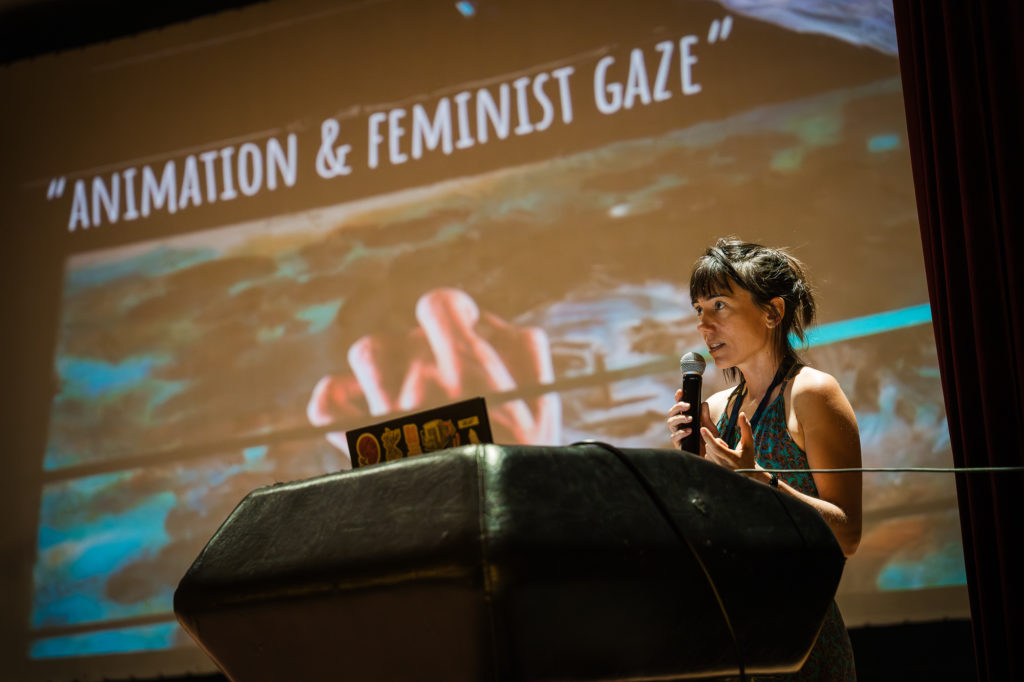
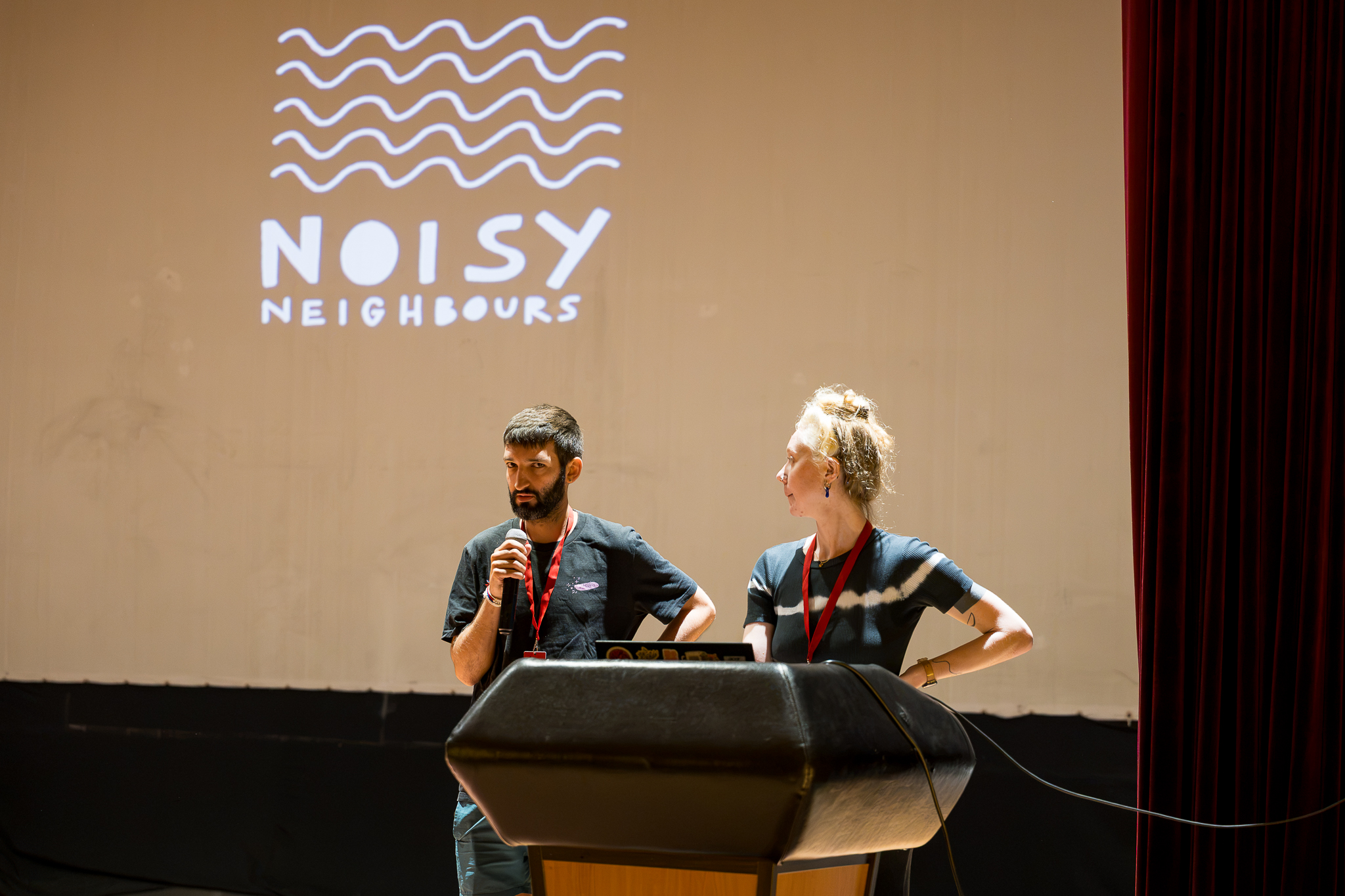
At Cinema Jusuf Gërvalla, the Swiss sound collective Noisy Neighbors presented their work on the short film TV or the Disturbance on Forest Hill Road (Frederic Siegel), giving an insight into the creative process behind sound design.
The presentation was led by collective members Etienne Kompis and Aline Schoch. They first introduced Noisy Neighbors, a five-member collective that has been creating sound design for animated films for the past eight years. The members are alumni and faculty of the Animation program at the Lucerne University of Applied Sciences and Arts. Working within a non-hierarchical structure, they prioritize collaboration, flexible workflows, and collective learning. Rather than developing a recognizable style, they tend to find a unique sound language for each film they work on.
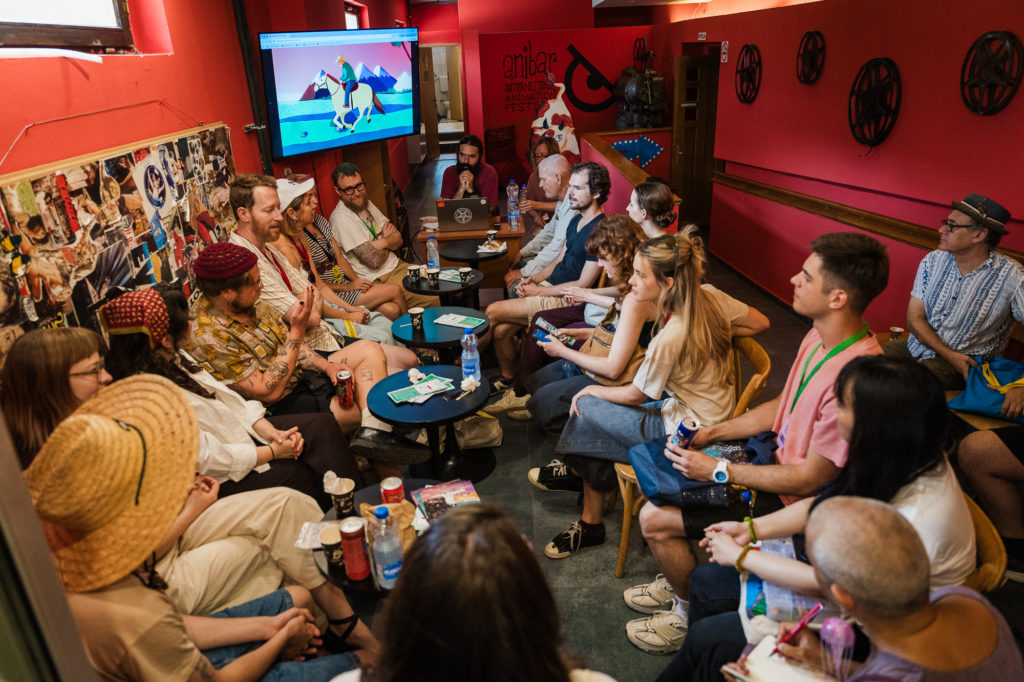
The audience was then guided through every stage of the sound design process, from pre-production planning to voice and Foley recording, field recording, sound editing, and the final mix. Using practical examples, the interactive presentation allowed the audience to explore the different layers of a film soundtrack, including dialogue, ambience, foley and music. The presentation also focused on how these elements work together to shape the audience’s emotional experience, while introducing concepts such as diegetic and non-diegetic music.
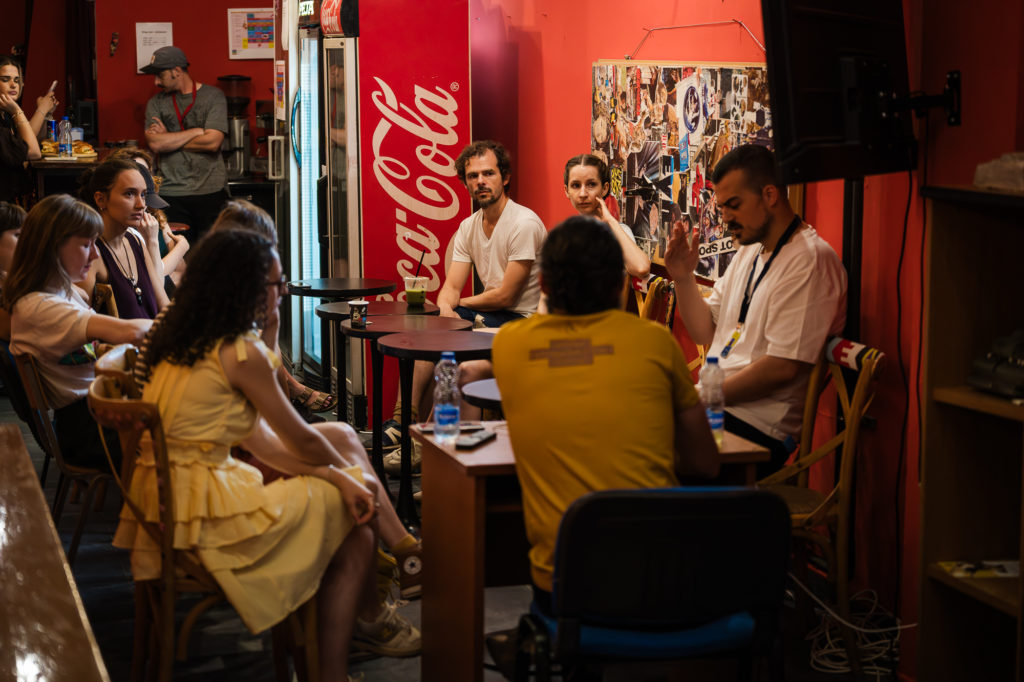
The discussion, joined by animation professionals and festival visitors focused on the importance of communication between directors, animators, and sound designers. The speakers emphasized that a director’s role is not to prescribe every sound or musical element, but to communicate the emotional experience they want the audience to have. From there, the sound designer can develop an approach that best resonates with the story.
Talking about clichés in contemporary animation, the speakers mentioned the tendency to use music that explains emotions or actions that are already communicated through the visuals. Another common issue is the overuse of music instead of embracing silence and focusing on the expressive potential of sound elements.
The presentation encouraged the audience to watch films more actively, while encouraging filmmakers to explore the expressive potential of sound design.