The Return That Remained One
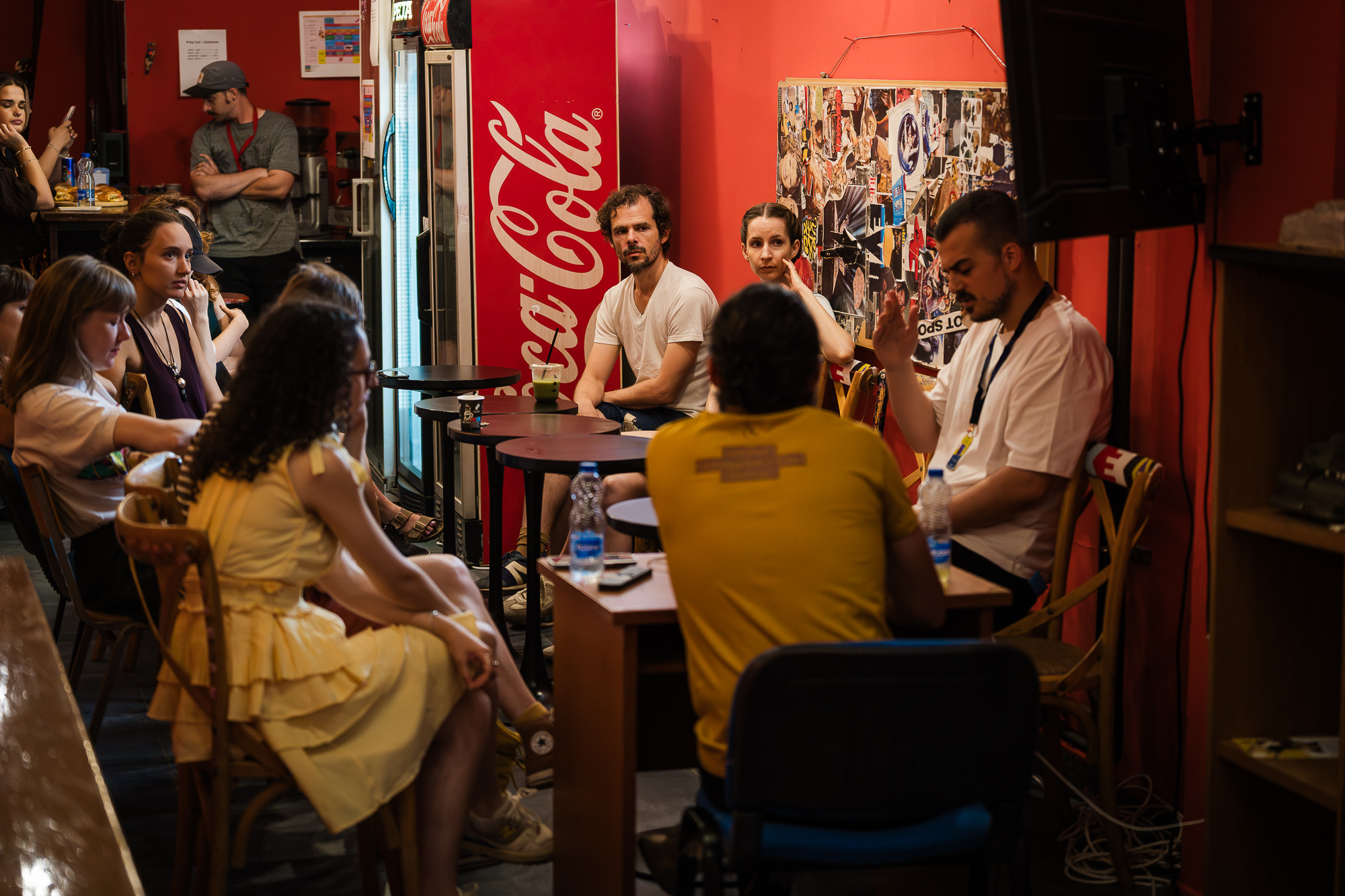
How can someone approach war-related stories when you run into bureaucratic processes?
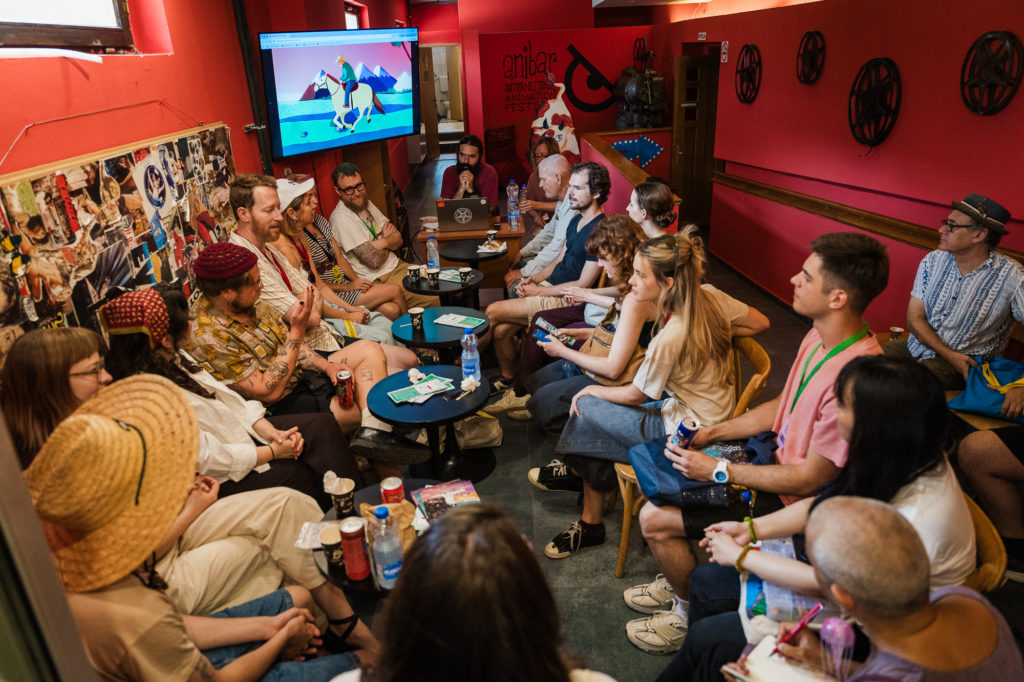
Today’s Meet the Filmmakers took a different turn: only one director screened his work. Durim Klaiqi’s Experimental Program entry, Goddess on the Throne, is a quiet but furious excavation of disappearance – of more than 3,000 artefacts that were taken from Kosova during the war and never returned.
Klaiqi’s investigation begins with an exhibition at the National Museum of Kosova in 2022, questioning the whereabouts of these “lost” objects. Among them, the figurine known in Kosova as the Goddess on the Throne stands out: a symbol of Prishtina and the only piece of history returned in 2002. That solitary restitution is less a victory than a reminder of the scale of loss. Thousands more remain unaccounted for.
The film refuses a linear or patriotic retelling. Instead, it peels back layers of the region’s history. Yugoslavia’s collapsing order, the massacres, the missing people; all intertwinedto show how cultural erasure and human violence are braided together. That experimental approach is precisely how Klaiqi’s work grips you: it blends archival search, personal testimony, and technological reconstruction to expose absence as an active force.
Archival work becomes a form of truth-seeking and constant frustration. Klaiqi follows leads through RTK, AP Archives, Reuters, and other digital repositories, only to find gaps and silences where evidence should be. He quotes Uran Haxha “three years ago a super secretive room was built, with security shutters and an alarm system to store important state documents. There are currently no secrets in the room because the room is empty”. That image, a vault without a past, sharpens the film’s critique: if preservation looks like secrecy, what does that say about who controls history?
Chasing the artefacts felt like chasing ghosts. Weeks before finishing the film, Xhejlane Hoxha introduced Klaiqi to a set of documents in Serbian, the same documents he had been looking for. Reversed, bureaucratic traces of objects “loaned” from one museum to another during Yugoslavian times. The paperwork existed, but the objects did not, and the trail only underscores how institutional opacity protects loss.
Klaiqi contrasts two registers of historical evidence: the polished newsreel footage from AP Archives and Reuters and the raw, hand-filmed footage of Ahmet Grajqevci, amateur recordings of witnesses, crimes, and daily life during the war. With UNDP support, Klaiqi digitized more than 100 tapes, each with its haunting story, but one shot used. A shot from the Batajnica massacre, where roughly 700 Albanians were killed. The film ties that footage to returned clothing, the only physical remains that made it back to Kosova in 2002. That juxtaposition, archive and absence, clothing and corpse is what makes the film’s grief tangible. In Kosovo, we know it all too well, we’re still living in its remnants.
Technically, Klaiqi experiments too. He hunted for moving footage to convert into 3D and described using point-cloud scanning tools rather than mesh-based systems, a faster route to photorealistic reconstruction. This technological reach is not mere novelty; it’s an attempt to render what bureaucracy has smothered, faces, objects and traces so they can be seen again.
The film’s final charge is also a question: archives will yield surprises, but those surprises often feel like crumbs from a locked pantry. Klaiqi says that many artefacts now sit in a Serbian basement, reachable only by special request and a certain group of people. Sadly so, that reality reframes cultural heritage as an object of political control, not collective memory.
We keep making films about the war because we cannot stop trying to understand it, but the project feels never-ending. Wounds remain fresh; the stories are painful but necessary. Klaiqi’s film asks us to feel the strain of this work, the exhaustion of chasing records, the institutional secrecy, and the tenderness owed to the lives and objects that refuse to be forgotten.