How to start (and sustain) animation careers in the Balkans
Animation is more than just a dream
In a region where formal animation schools are rare and sustainable funding remains uncertain, building a career in animation in the Balkans might seem like a long shot. Yet for a growing number of creatives, animation is more than just a dream, it’s a calling worth pursuing, despite the odds.
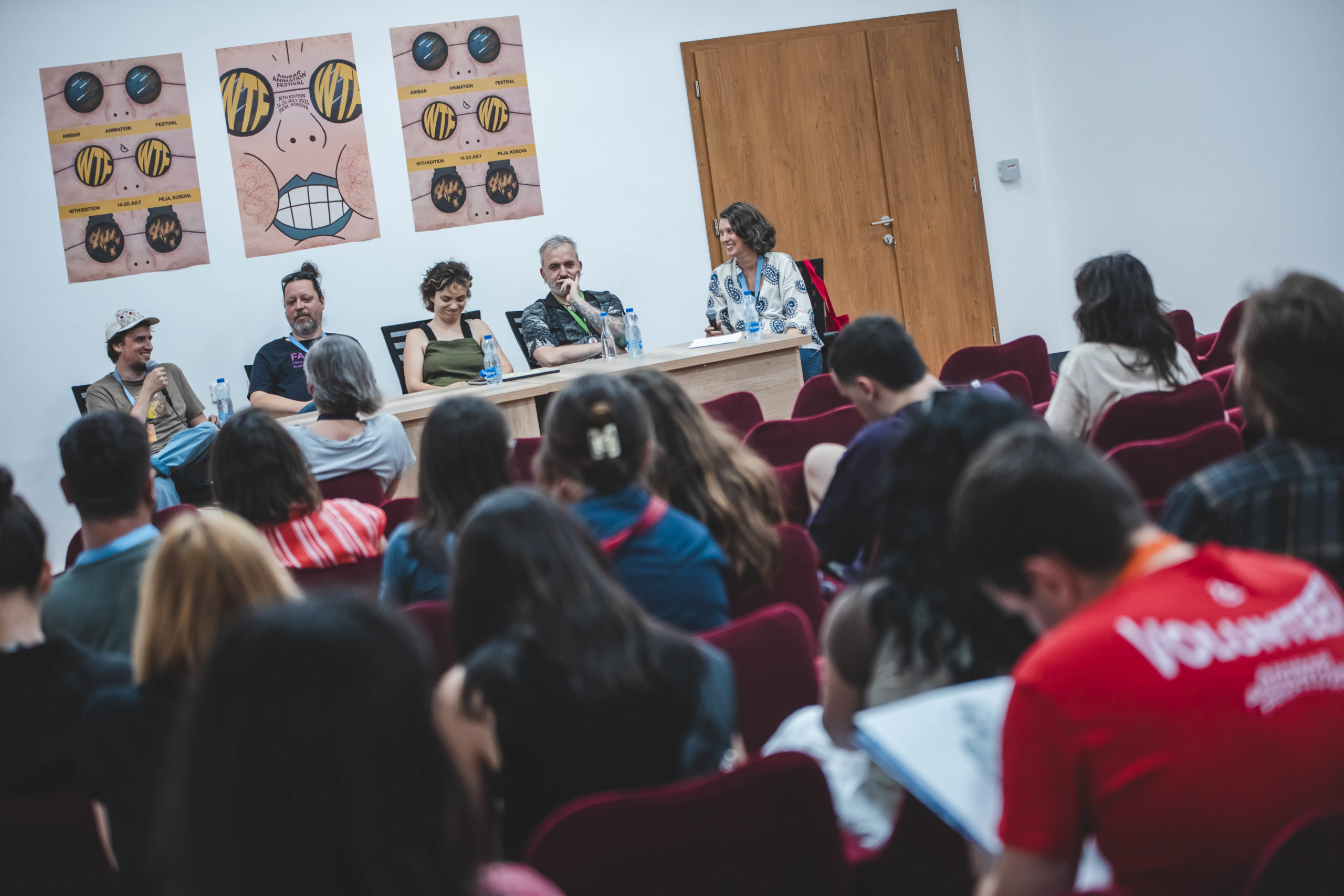
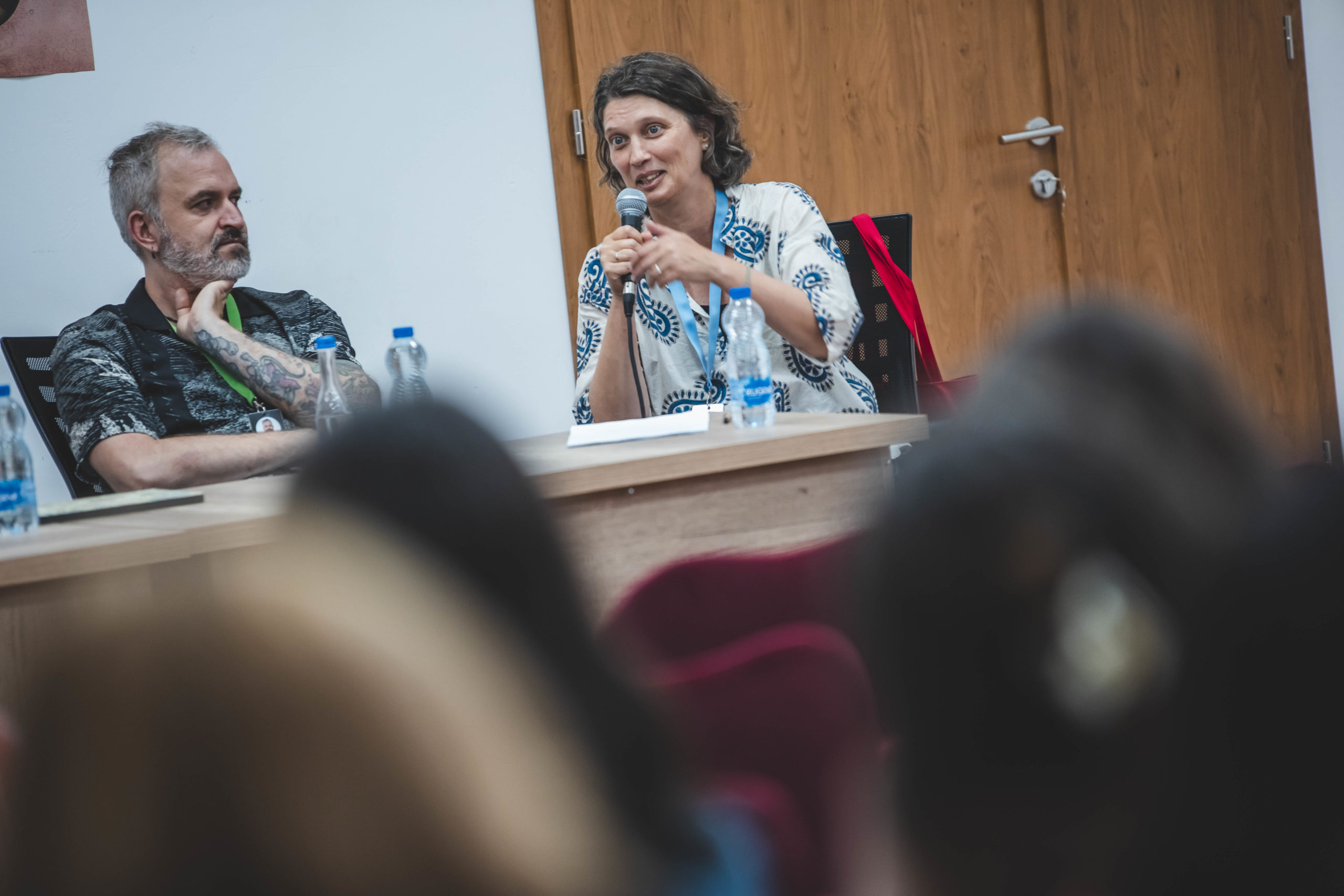
This was the spirit that guided the panel “How to start (and sustain) animation careers in the Balkans,” moderated by globally renowned animation director and producer Vessela Dantcheva. The discussion brought together experienced voices from Kosovo, Croatia, North Macedonia, and beyond, each with their own take on how to keep the creative flame alive in a region not always known for its support of the arts.
“We started with small animations,” Dantcheva reflected. “And now, here we are.” Her opening set the tone for a conversation that emphasised persistence, local resourcefulness, and the value of informal networks.
Croatian animation director and comic book artist Marko Dješka shared a perspective based on dedication rather than geography. “I like comics, and that’s the reason I produce comics and animations,” he said. “When it comes to filmmaking, I think it doesn’t depend on where you are. If we’re talking about short films, we’re talking about an international audience. The key is to be constant. Building a career takes consistency, but making money from it depends on which country you are in.”
For Dješka, the line between passion and profession is navigated through daily commitment, not location. While the market might differ by country, the creative discipline remains the same.
For Kosovar animator Flaka Kokolli, necessity became the mother of invention. “I started the studio more out of desperation than actually wanting a studio,” she admitted. “When I started, all the animation opportunities in Kosovo were for motion graphics, and I didn’t want to do that.”
At just 21, Kokolli took a leap of faith: “Kosovo is a country where support largely depends on international sources. That’s how I won the first funding for my film. When it’s not a big industry, you have to find your way.” Her story illustrates how young animators in the Balkans often wear multiple hats: producer, fundraiser, creative director, not by choice, but by necessity.
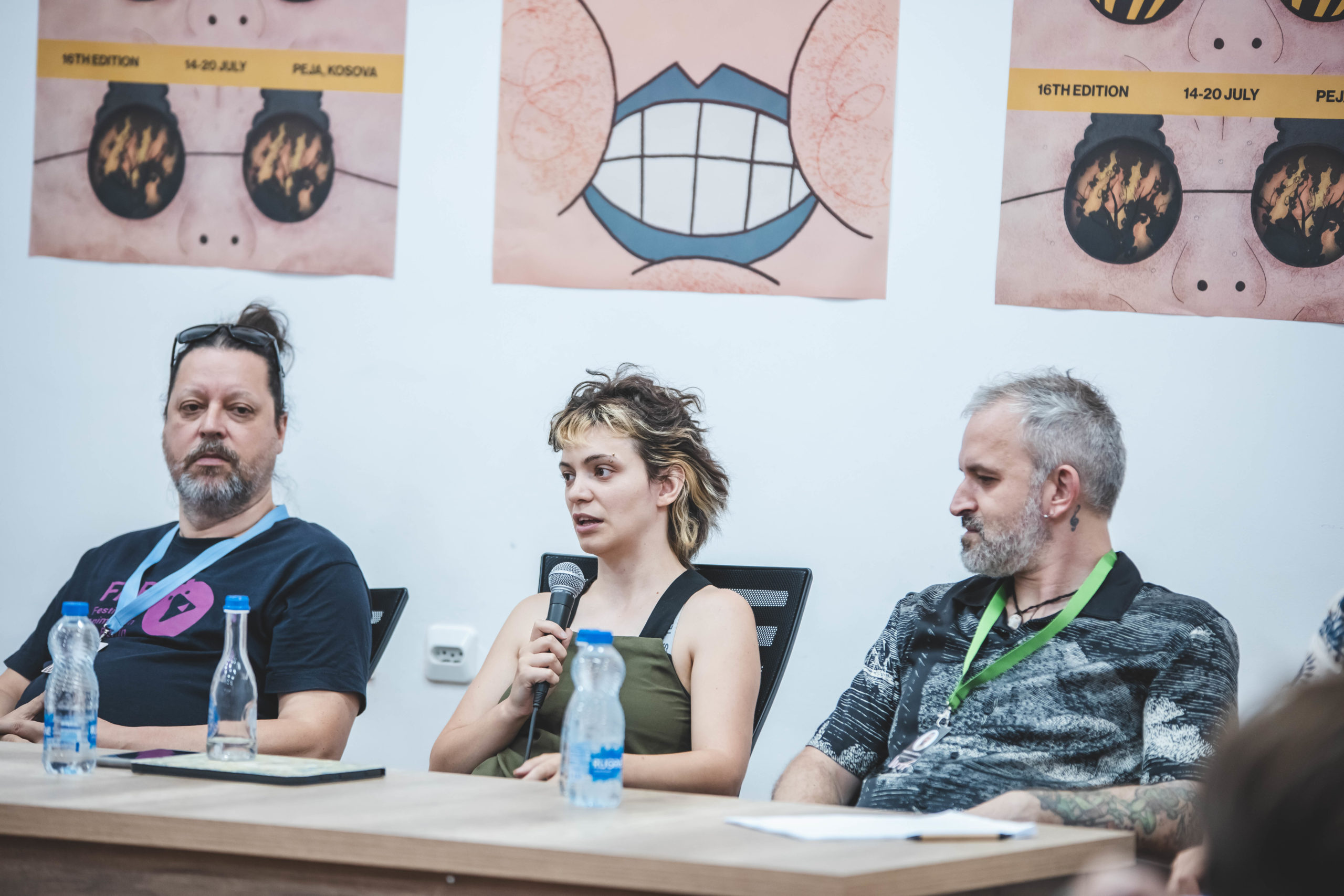
Draško Ivezić, a Croatian animator now living and working in France, offered a sobering reminder that the challenges don’t disappear across borders. “The problem is also in France,” he said. “Yeah, it might look like Eldorado, but people are struggling there, too. It’s not easy.”
He pointed out that while France does have a functioning animation industry, with studios employing hundreds, this doesn’t guarantee financial comfort for everyone. “People working in animation may live in a higher-literate class, but they still deal with financial troubles.”
In North Macedonia, where the animation scene is even more limited, animator Krste Gospodinovski laid it out plainly. “There is ‘no industry’ in North Macedonia,” he said. “We got funding from the state because we do art that travels around the world. However, I’m not suggesting that everyone should rely solely on state funding. Most of us have ten jobs, and when it all comes together, you can live.”
For Gospodinovski, love for the medium is non-negotiable. “If you work just in animation, you really have to love it. Animation is a hard process; if you work without loving it, you can’t make it.”
The discussion made clear that although the Balkans may lack traditional infrastructure, they are rich in resilience and creativity. For those who dare to stay and build something meaningful, there’s a growing network of fellow artists ready to support and collaborate.
Author: Gentiana Ahmeti
Photo: Anibar/Elmedina Arapi