Who tells the story? Ethical filmmaking in a fragmented world
Ethical Storytelling and Representation in Film
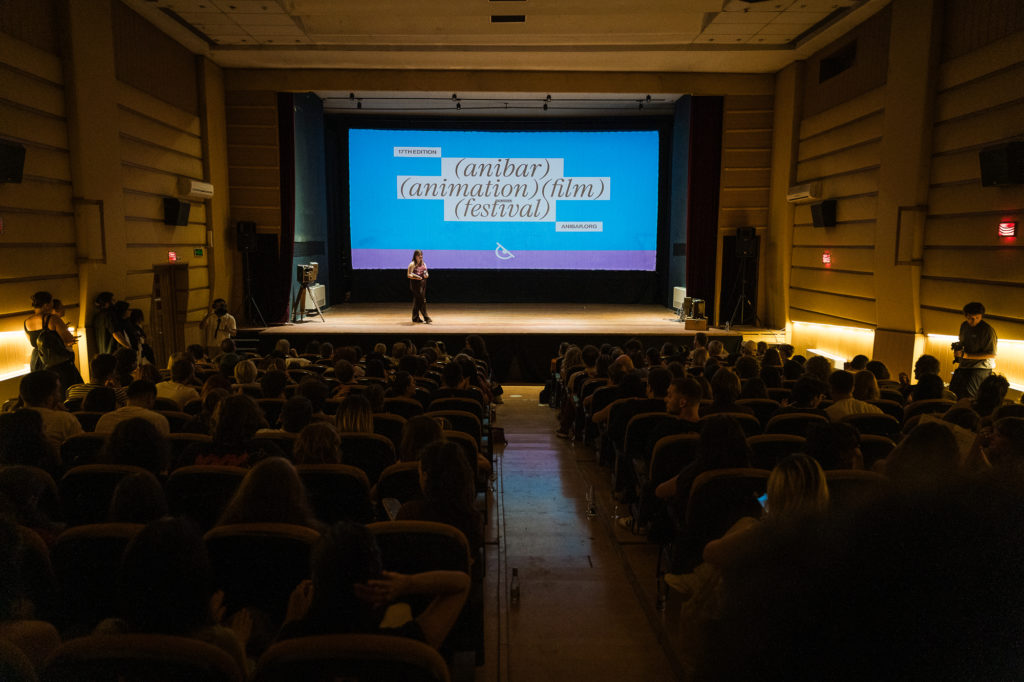
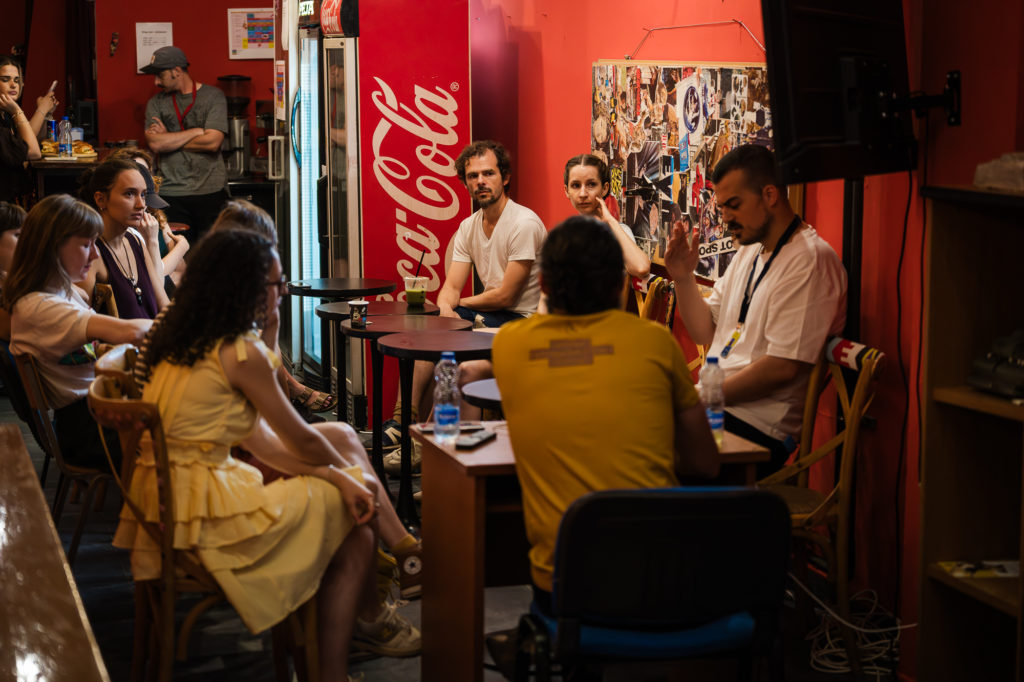
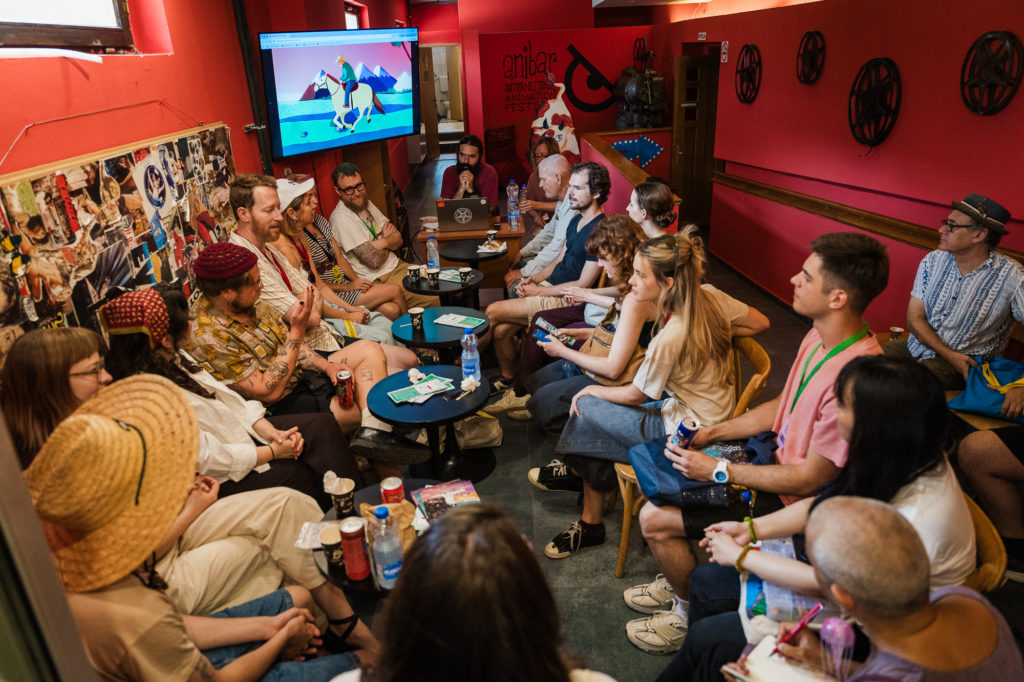
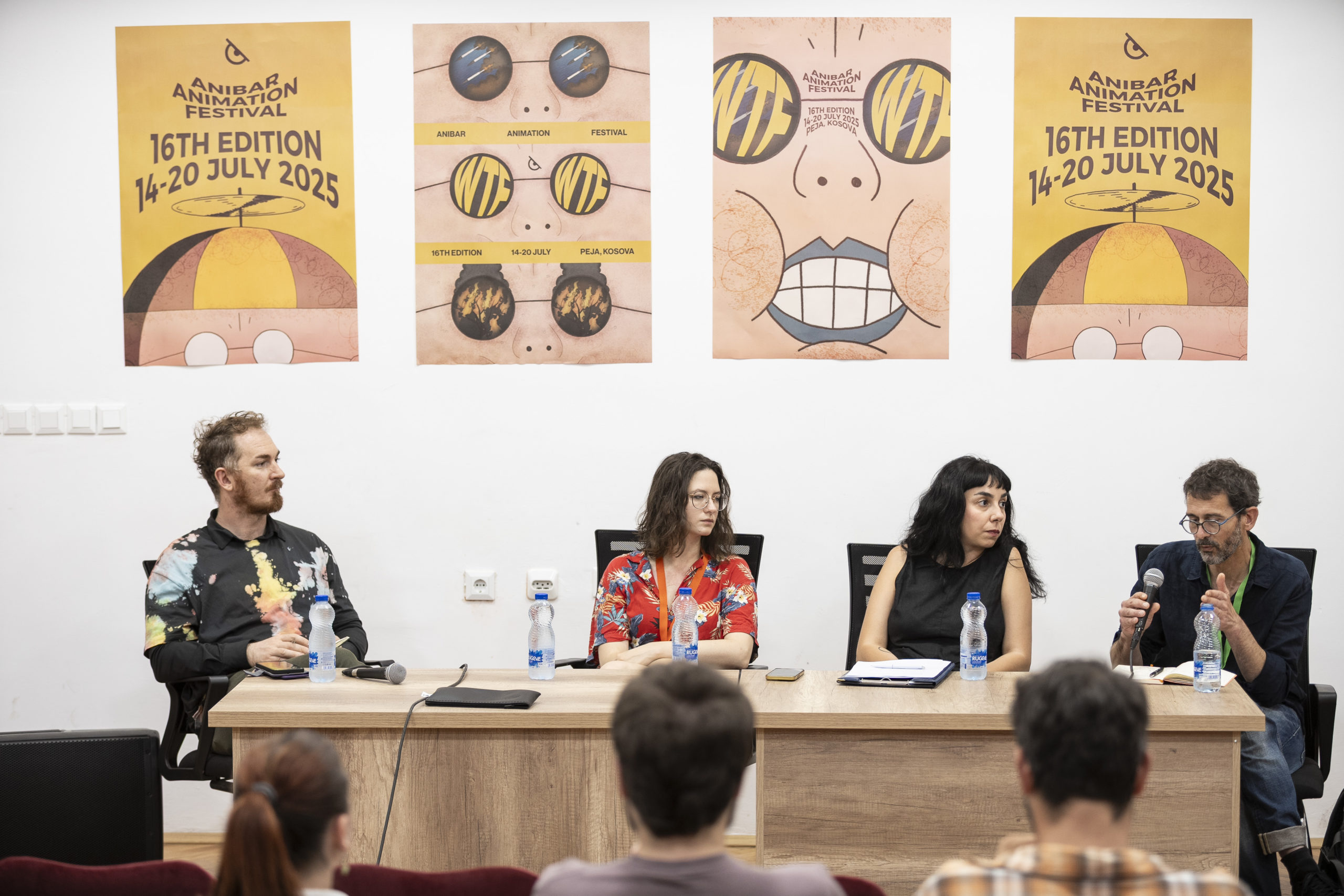
On a quiet afternoon in Peja, the Creative Center “Dukagjini” transformed into a space of deep reflection. The panel discussion titled “Ethical Storytelling and Representation in Film” brought together award-winning filmmakers, animators, and cultural managers to explore a question that haunts every screen today: What does it mean to tell someone else’s story and to do it right?
In a media landscape filled with noise, quick takes, and constant production, the panel invited a pause. A moment to ask not just how we tell stories, but why, for whom, and at what cost.
Moderated by filmmaker and media anthropologist Lum Çitaku, the conversation gathered voices from different corners of the industry: Natasza Cetner, a surrealist animator based in London; Luc Camilli, a French animation studio founder deeply involved in traditional and digital storytelling; and Trëndelina Halili, a Kosovar filmmaker whose stories are rooted in personal and national history.
What united them was a shared concern that ethics in storytelling is not a luxury, it’s a necessity.
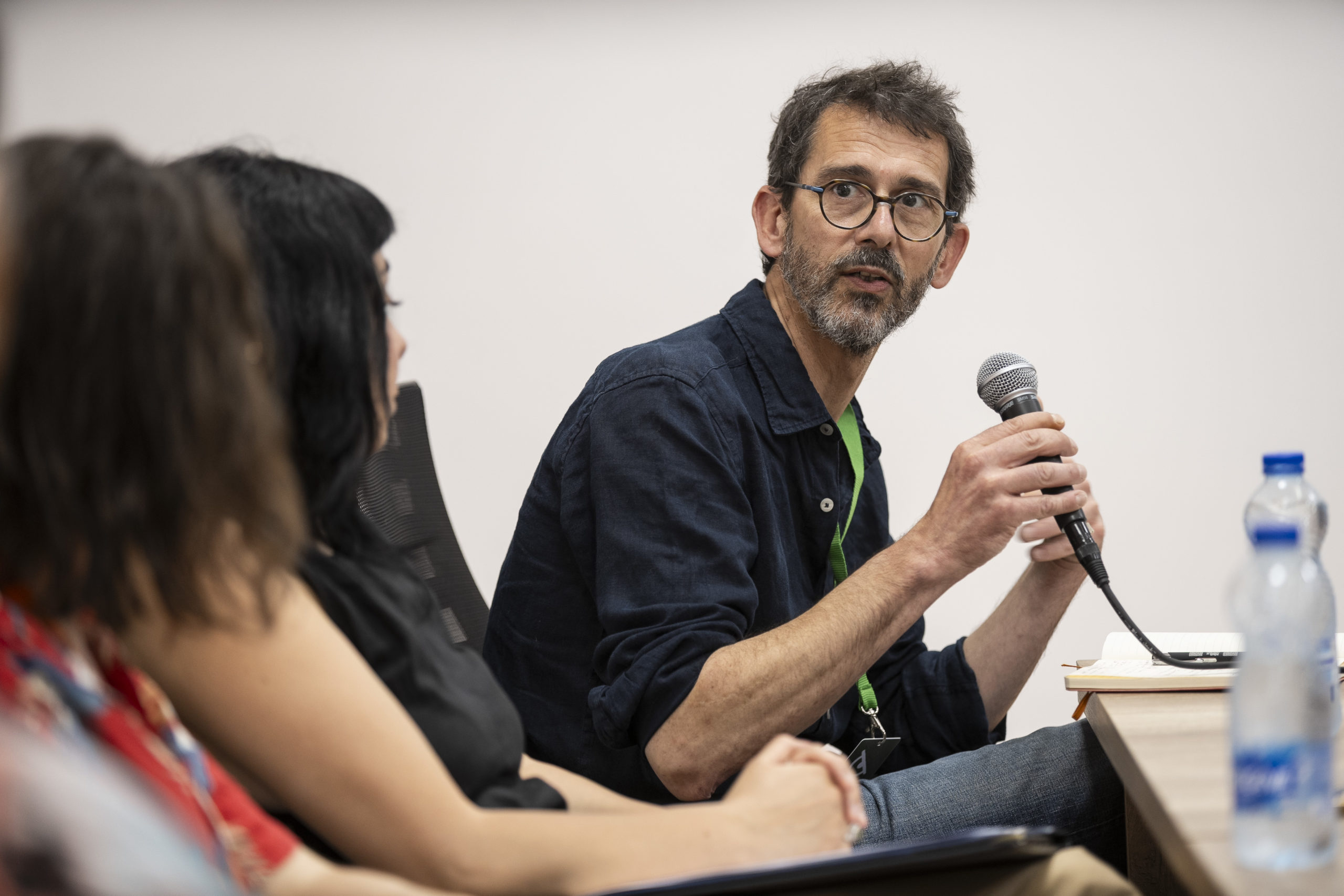
For Luc Camilli, the ethical dimension of storytelling begins long before the first sketch is drawn or the scene is shot. It starts with intention.
“The choice of the theme comes from the authors. Of course, I have to take care who is proposing the theme, what is the lead with this, where is the source of information coming from,” he explained.
Luc, whose animation studios in Toulouse are known for their rich narratives, emphasised that responsibility is embedded even in the technical details.
“When we produce animation, we use the sound we want and we compose sentences sometimes in the sense of ethics, such as matching what she said or meant. We make sure we have feedback on every work we do.”
Personal stories, collective impact
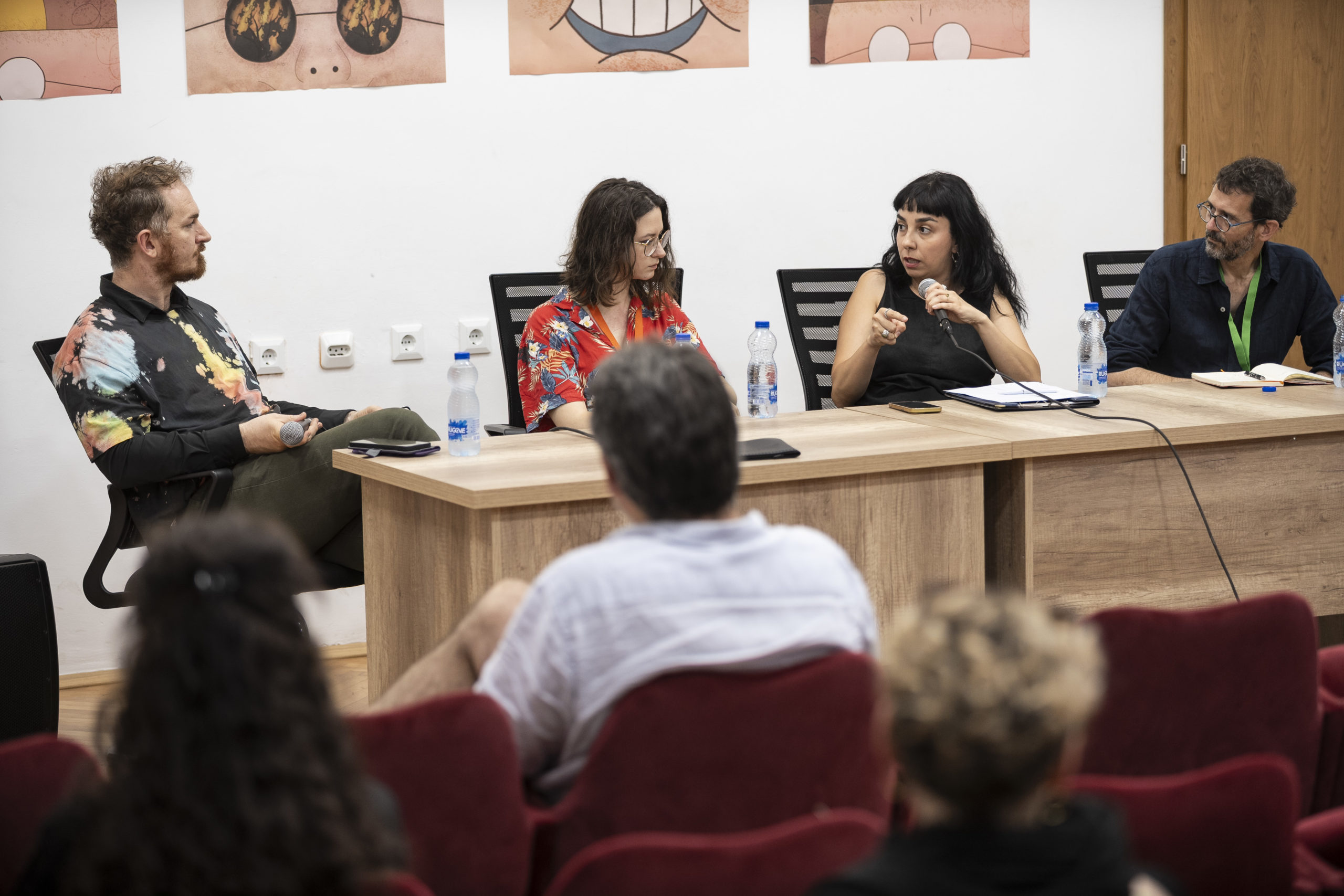
For Trëndelina Halili, the ethical question gets even more intimate. Her film “Prishtinë 2002” is not a distant tale, it’s her own.
“Prishtine 2002 is a personal story,” she said. “I am more thrilled with personal stories as a filmmaker… usually too important to be connected or intellectual to a story.”
Set in the aftermath of war, her film deals with memory and healing. Yet, for her, the most delicate part wasn’t the war, it was the people. The actors in her film were teenagers, non-professionals, whose vulnerability shaped the process.
“It was sensitive in that sense,” she noted. “But the story was very light.”
Her voice turned firmer as she addressed the broader rule of ethics, one that applies to every filmmaker, regardless of genre.
“When it comes to ethics, all the rules are the same, even in animation. When it comes to storytelling, I think you all agree that it is important to know why I wanna tell the story, and you are the right person to tell the story.”
It’s a question that echoed throughout the room: Just because you can tell a story, does it mean you should?
The power of the abstract: Telling the untellable
Not all stories are told literally. Some, like those of Natasza Cetner, take on the form of dreamlike metaphors, emotional codes that speak without realism.
Speaking about her recent work, Natasza described the impossibility of fully portraying extreme experiences like long-term confinement but also the duty to try.
“It’s something abstract, what we can imagine. It’s something that can be related to the pandemic, this is the closest comparison, but I can’t imagine being kept in a tiny room for twenty years. We did what we could with the story.”
Her comment brought a different ethical perspective: sometimes, art must walk the tightrope between imagination and lived experience, trying not to speak for, but with the pain it portrays.
Ethics beyond answers
What made the session powerful was not that it handed out solutions, but that it invited discomfort and reflection.
Who has the authority to speak? How do power dynamics shape the stories that reach us? And how can creators, especially in post-conflict societies, balance artistic freedom with deep moral responsibility?
As moderator Lum Çitaku emphasized that beyond adhering to general ethical principles, such as consent, transparency, authors positionality toward subject or community, and contextual sensitivity, – it is crucial to cultivate an ongoing awareness and care for the process itself.
And in the audience, young Kosovar filmmakers were listening carefully. Some had questions. Others shared their own dilemmas as they began to build their films.
Author: Gentiana Ahmeti
Photo: Anibar/ Ferdi Limani