In a landscape shaped by war, economic uncertainty, climate anxiety, and ongoing social instability, how can cultural workers maintain their mental well-being? This session opens up a conversation about the emotional and psychological toll of working in the cultural field during prolonged and overlapping crises.
From administrators and curators to producers, educators, and artists, cultural workers often operate under precarious conditions, with limited institutional support, unstable income, and increasing emotional demands. This discussion reflects on the shared experience of burnout, collective trauma, and personal coping strategies, offering insight into how individuals and communities can build practices of care, support, and resilience.
This session positions mental health as a structural and collective issue, encouraging dialogue around sustainable work cultures and emotional solidarity within the cultural sector, especially for those early in their careers or based in unstable environments.
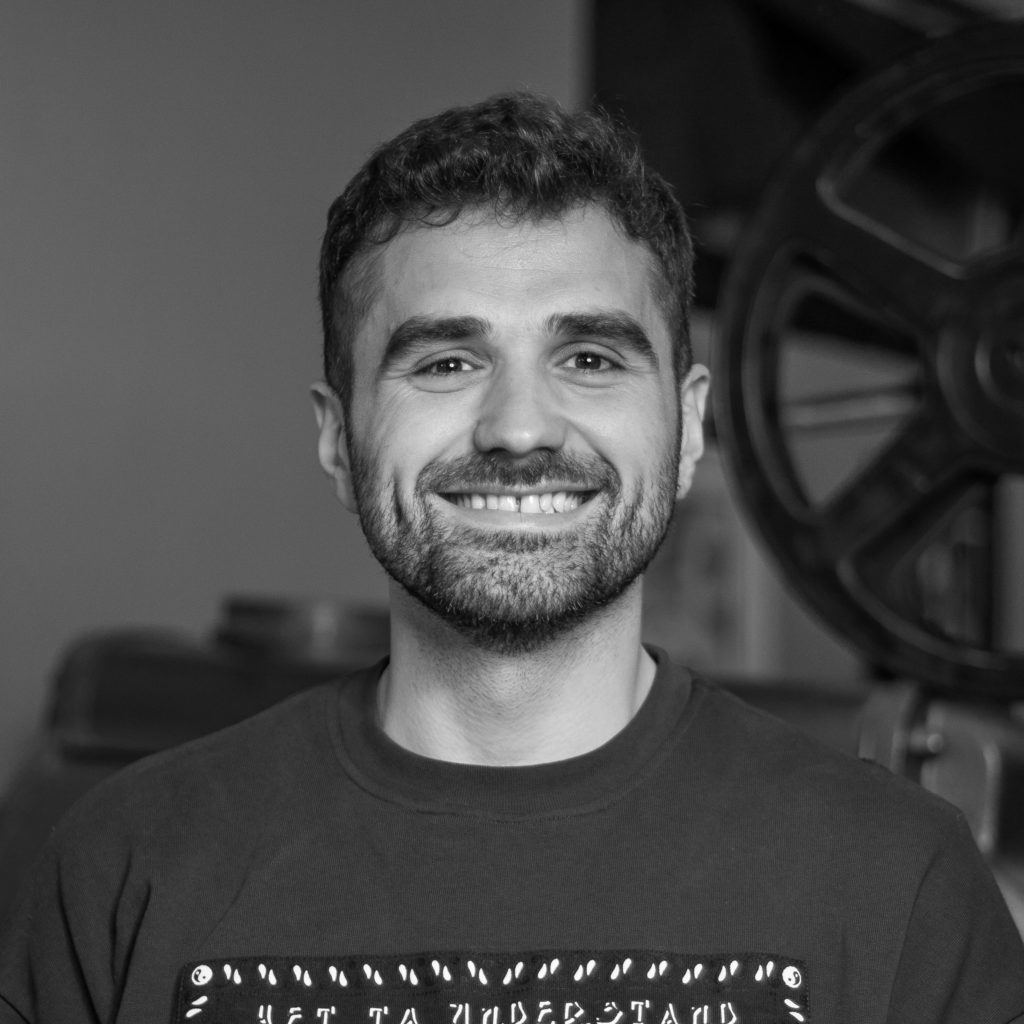
Moderator: Vullnet Sanaja
Vullnet Sanaja is a cultural worker and co-initiator of long-running creative, educational, and civic platforms in Kosovo. His work spans animation, music, public space, and policy — with a strong focus on building sustainable, community-led infrastructures for the arts. Over the past 16 years, he has helped shape cultural advocacy efforts, contributed to national cultural strategies, and supported young people in creating their own paths in the creative field.
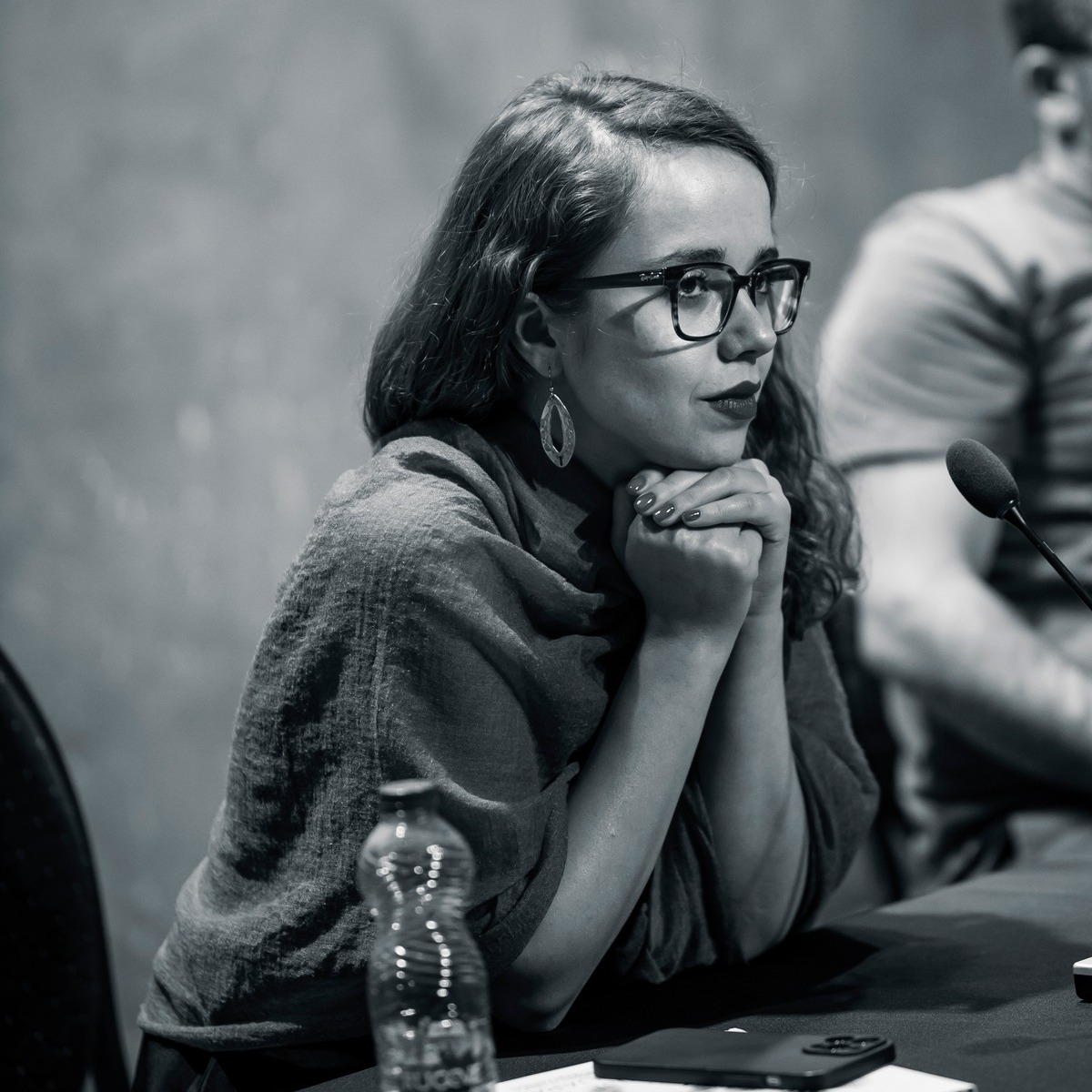
Panelist: Aurela Kadriu
Aurela Kadriu is a sociologist, researcher and cultural manager. Her research on memory, socio-urbanism, gender and human rights is focused on the recent history of Kosovo and the former Yugoslavia. She is the Program Director of Qendra Multimedia — a leading independent cultural organization, focused on contemporary theater and literature.
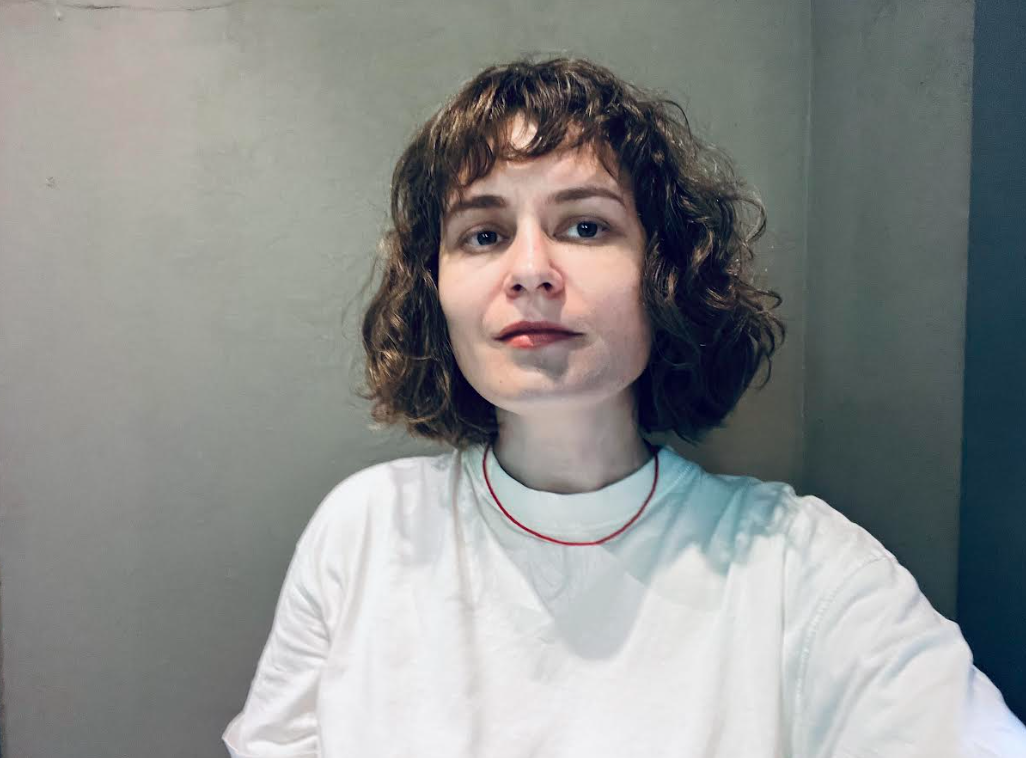
Panelist: Fitore Rexhepi
Fitore Rexhepi is a cultural worker based in Prizren, Kosovo, with a background in arts and cultural development. She currently serves as Head of Development at the Lumbardhi Foundation, where she leads strategic planning, organizational development, and program implementation. Fitore is also engaged as a Facilitator for Kosovo with Elliniki Etairia (ELLET) in Greece, supporting the expansion of the European Heritage Hub network.
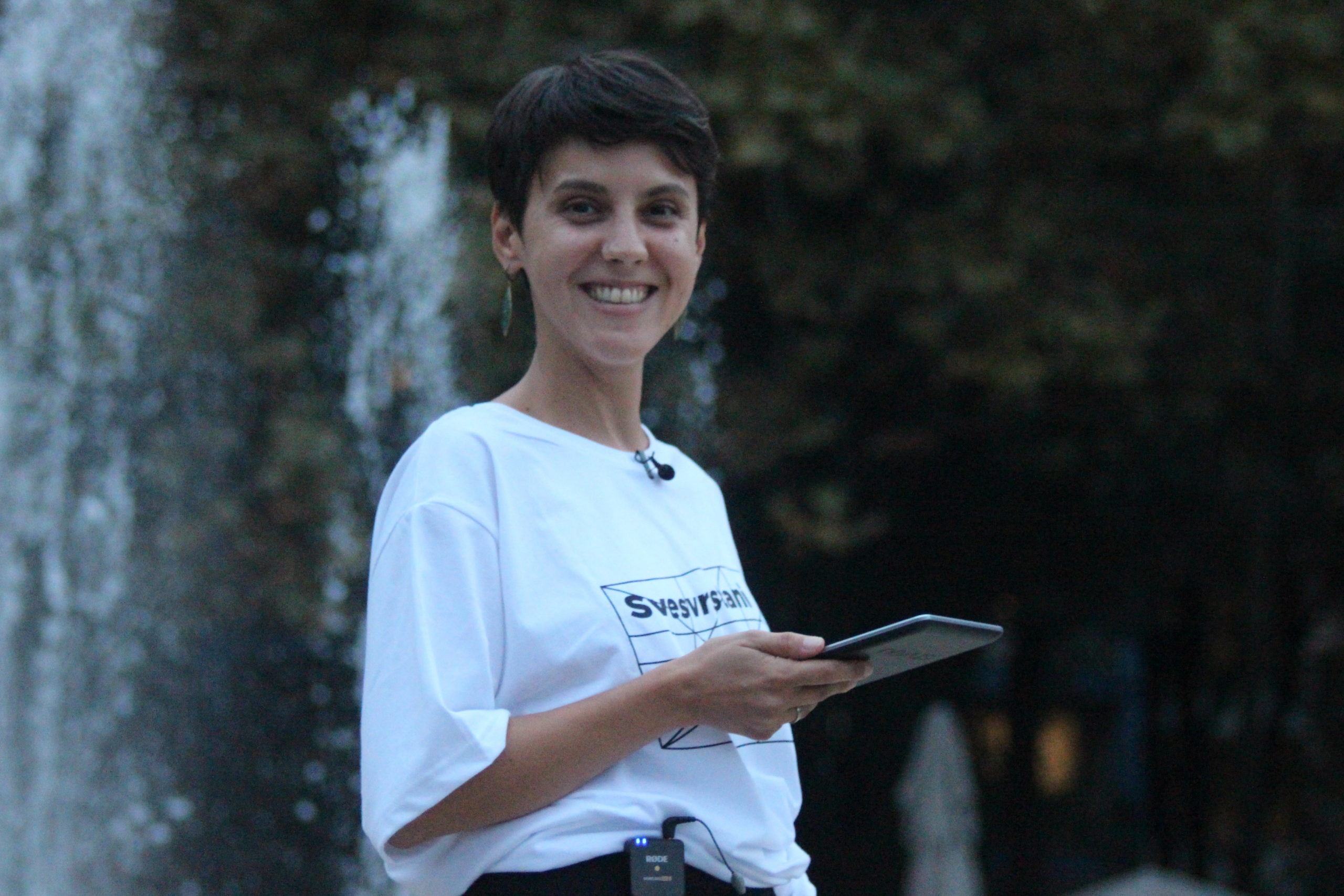
Panelist: Ana Pinter
Ana Pinter is an independent stage director based in Belgrade. Her academic background is in comparative literature, theatre artistic studies and South-East Asian traditional performing arts. Her artistic work is recognizable in so-called minor forms, combining theatrical techniques such as puppetry, contemporary circus, dance, shadow theatre, multimedia, promoting decentralization of the powers and the flat-hierarchies in a collective creative process. She is a co-founder of Tri groša/Threepenny company, dedicated to art production, research and pedagogy in arts and culture.
18
Friday
- 17:00 - 18:00
- Dukagjini Creative Centre / Qendra Kreative Dukagjini
- Back