In an increasingly complex and interconnected world, the question of how stories are told and by whom, has never been more urgent. This session goes into the ethics of storytelling in contemporary cinema, with a particular focus on cultural representation and the power dynamics between filmmakers and the people or communities they depict.
What responsibilities do storytellers carry when representing others’ realities, especially those shaped by histories of marginalization, conflict, or displacement? How can filmmakers navigate the delicate balance between creative freedom and accountability? This discussion unpacks authorship, perspective, and the unseen structures that influence narrative authority.
Far from offering prescriptive answers, the conversation invites reflection on what it means to engage ethically with real-world material, and how filmmakers can approach storytelling with greater care, awareness, and respect. In a time when stories have the power to both connect and divide, this session seeks to open up space for more thoughtful and responsible filmmaking practices.
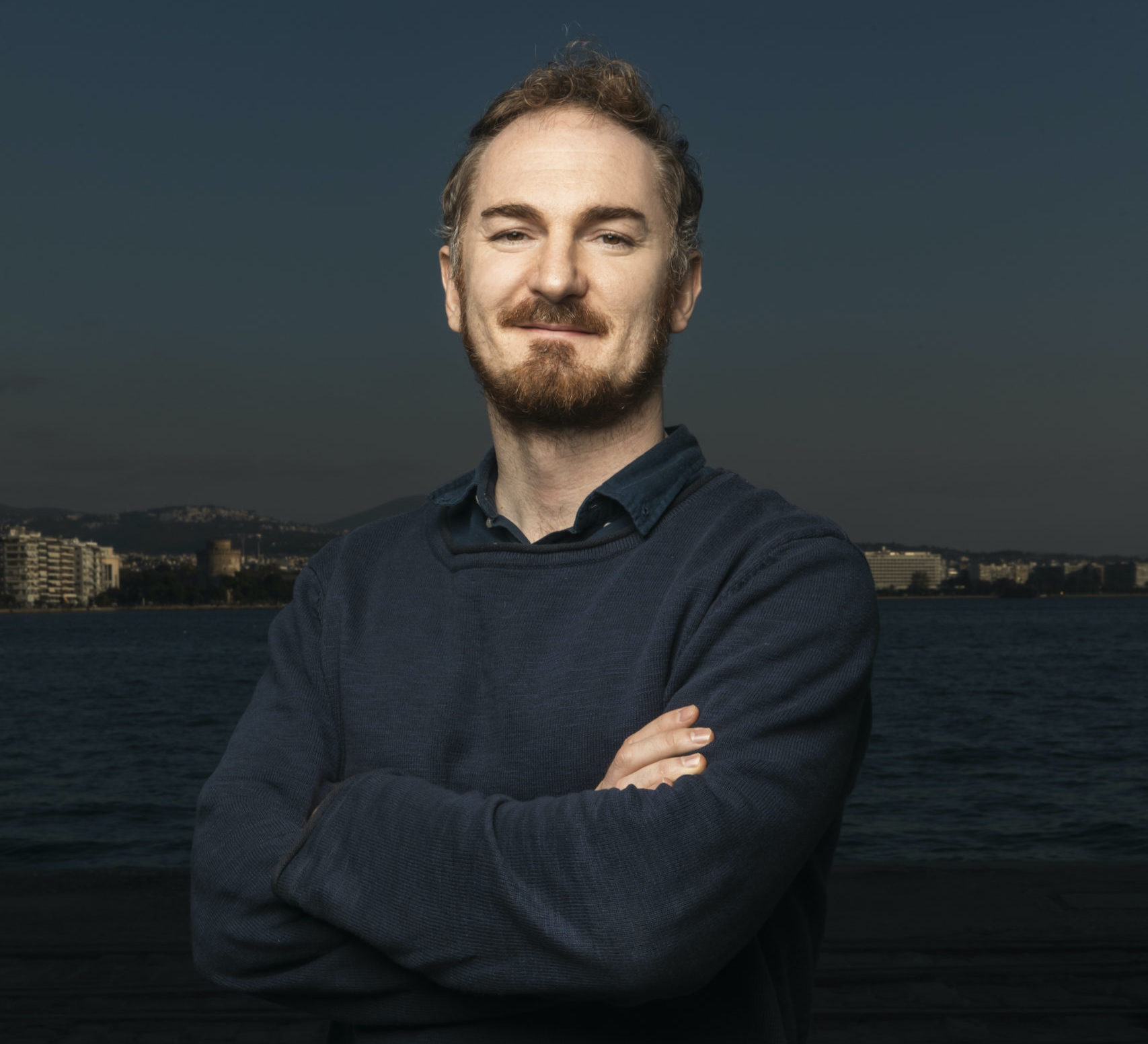
Moderator: Lum Çitaku
Lum has over two decades of experience as a filmmaker, visual and media artist, and more than ten years as a researcher and cultural manager. He has contributed extensively to film, new media, and anthropologically informed projects as a creative director, researcher, producer, and lecturer. Holding a Master’s in Visual and Media Anthropology from Freie University Berlin and a BSc from Rochester Institute of Technology in Kosovo - where he lectures on new media studies, anthropology, film, and design courses - Lum’s practice is situated at the intersection of anthropology and art, integrating creative exploration with academic inquiry. During 2014-2017 studies situated within the subdiscipline of Digital Anthropology, he expanded on his ‘Dialectics and Aesthetics of Creating with the Digital - An Anthropology of Interface’ - a tempo-historic phenomenology – combination of multisited and sensory ethnographic research, digital ethnography, and interactive film project investigating the lives of digital artists and creators. Former director of the Cinematography Center of Kosovo who now leads the program, Lumi is a member of the European Film Academy. His audiovisual and new media works include: “Machinima-film” (2016), “The Numerous Thoughts and Things” - interactive film (2017), “Women of Freedom” (2018), Botëfilmi “Gof” (2019), etc.
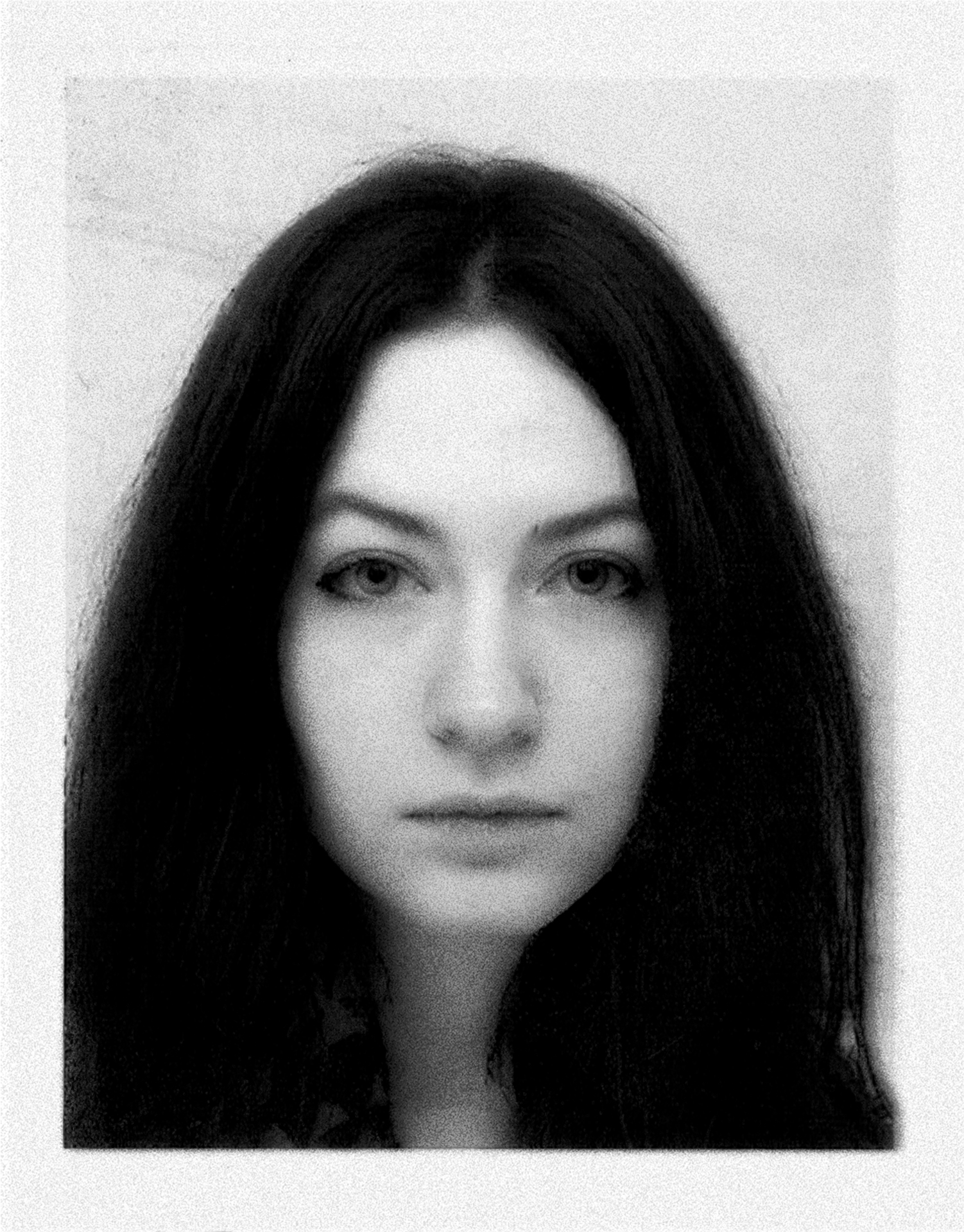
Panelist: Natasza Cetner
Natasza Cetner is an award winning London based animator with an MA from the Royal College of Art. The main themes of her works are the absurdity of the world around us and the surreal. Her MA graduation film “Nigel” was selected at festivals around the world to then premiere on Short of the Week, while the current film “Inside, the Valley Sings” she directed animation for, just received best Documentary at Short Shorts Film Festival Asia and therefore became an Oscar Qualifying short documentary.
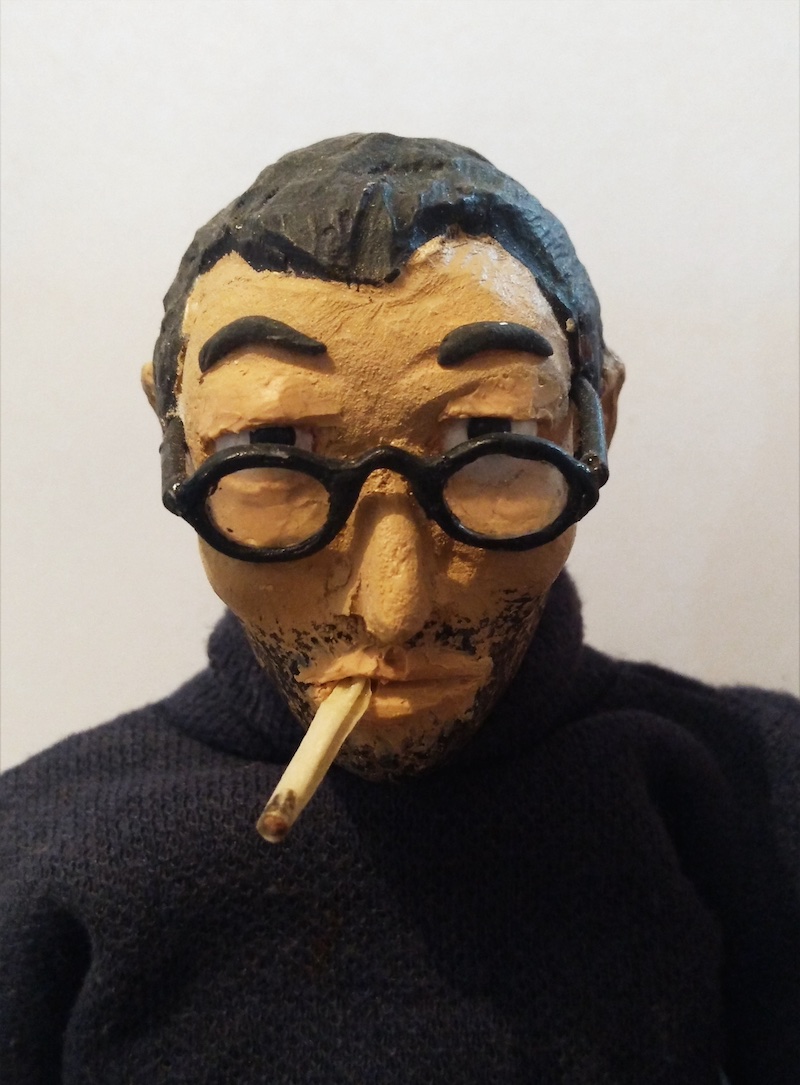
Panelist: Luc Camilli
Luc Camilli is co-founder of the production company Xbo films and the animation studios in Toulouse La Ménagerie, specialized in traditional animation, and Les Affranchis, specialized in digital 2D. For the past 20 years, he has produced about 30 animated short films, including Cesar nominated Florence Miailhe’s “Butterfly” and Cynthia Calvi’s “Gigi”, « Como si la tierra se las hubiera tragado » by Natalia Leon awarded at Sundance 2025, the three seasons of the KIWI series in co-production with Double Mètre Animation for France Télévisions, the digital 2D TV special “Marcel, Santa Claus (and the little pizza delivery boy)” by Julie Rembauville and Nicolas Bianco-Levrin for Canal+, and the first animated painting feature film by Florence Miailhe “The Crossing”, in co-production with Les Films de l'Arlequin.
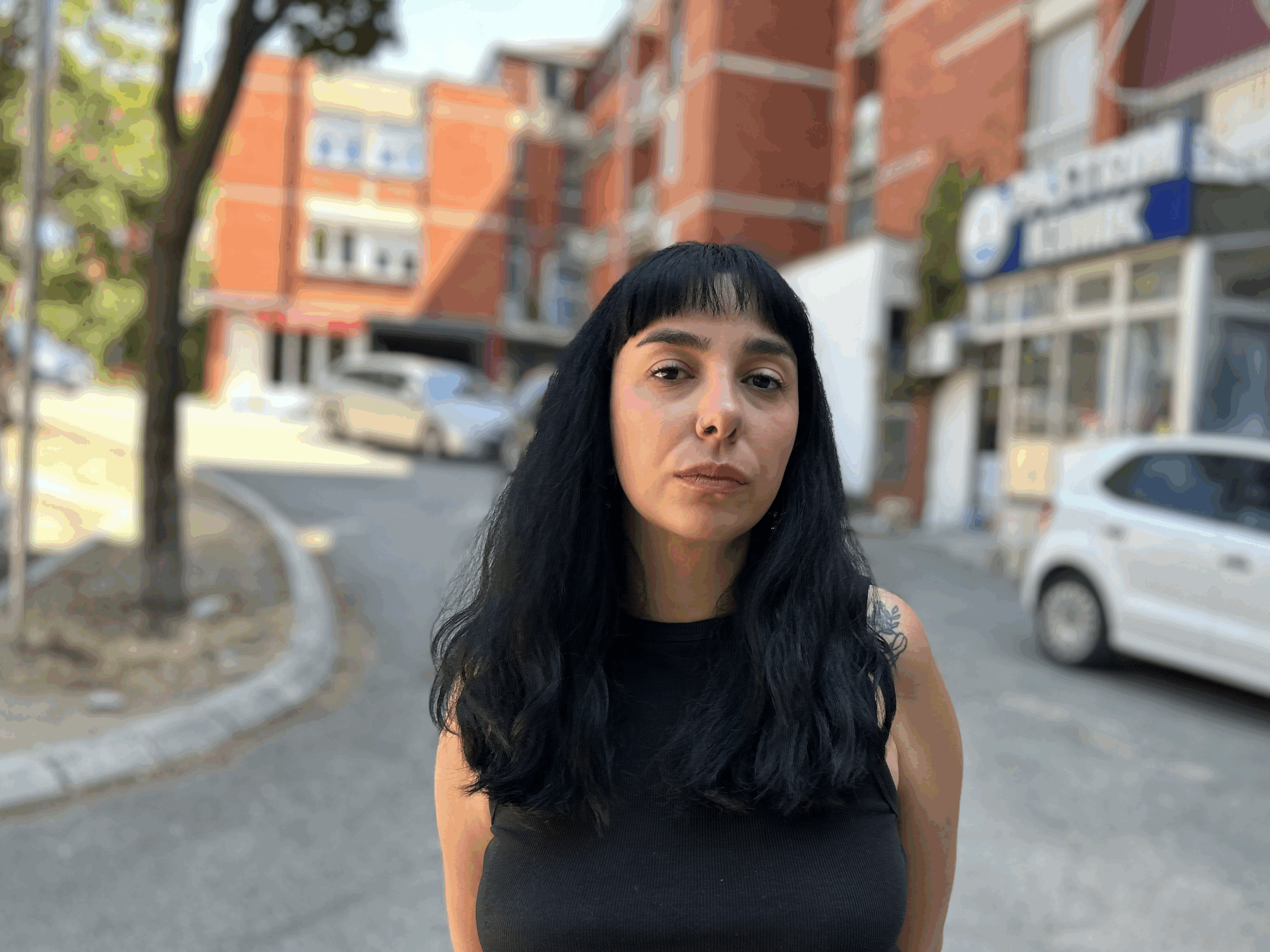
Panelist: Trëndelina Halili
Trëndelina Halili is an award-winning filmmaker from Prishtina, Kosovo. Her path into storytelling began through journalism, which she studied during her early university years before diving into film and television at the University of Prishtina. She spent several years working in television before stepping fully into filmmaking by founding Kandërr, an active production company where she worked as a director, editor, and producer. During that time, she created a number of short films and documentaries, but one that really stood out was Prishtinë, 2002, a short film that premiered at Clermont-Ferrand and went on to screen at festivals around the world. Her work blends the personal with the political, always rooted in place and memory. Alongside her films, she also created an online multimedia platform documenting Kosovo’s war heritage (1998–99), combining articles, photography, maps, and a documentary web series.
After leaving Kandërr, she founded the Filmik Institute, a space in Prishtina dedicated to contributing to the film culture in Kosovo. As an independent video journalist, she has spent years telling human-centered stories and amplifying voices that are often pushed to the margins. At the core of everything she does is a desire to make space for truth, memory, and dreams.
16
Wednesday
- 17:00 - 18:00
- Dukagjini Creative Centre / Qendra Kreative Dukagjini
- Back