
Unpaid and Unseen
As a result of gender norms and traditional social constructs that are formed from early childhood, expectations are often created that women and girls take over family care as unpaid work. This unequal distribution of unpaid work, which intensifies in women's adulthood, has a direct effect on their individual and professional development. This panel will discuss how traditional gender norms affect the lives of women and girls both individually and professionally, and what measures can be taken to promote a more equal division of unpaid work.
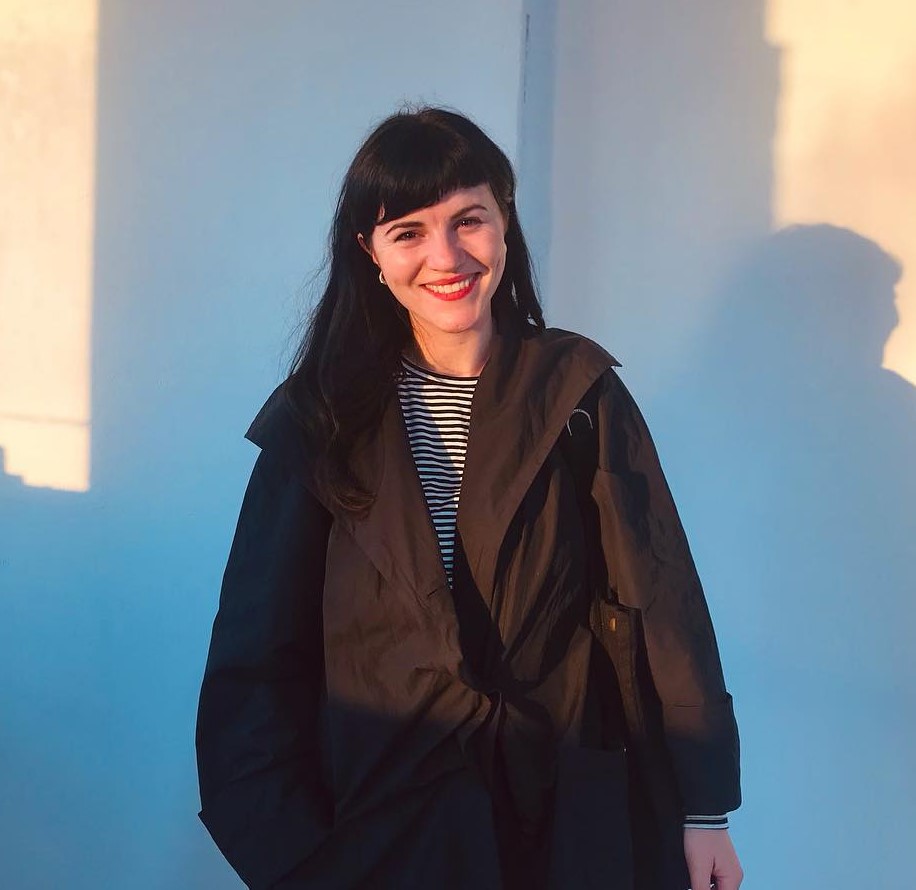
Mirushe Syla
Mirishahe Syla is a gender issues researcher, gender justice activist, and is engaged in development projects in Kosovo. She is currently involved in a sustainable and inclusive economic development project. With the same mission, she previously worked in the agriculture sector. She completed her bachelor's studies in Political Science at the University of Prishtina and her master's studies in Gender and Women's Studies at the University of Northern Iowa, USA. Additionally, she is certified by ETH Zurich - Swiss Federal Institute of Technology in the 'Gender and Economics' course, and most recently by the Springfield Institute in the "Making Market Systems Work" program.
Over the past decade, Mirishahe has actively addressed gender-based violence, women's economic rights, and the political participation of marginalized groups. Her projects and campaigns in Kosovo have involved diverse groups, reflecting her commitment to inclusivity. Mirishahe's work is deeply rooted in feminist thought, shaping her roles as a development worker, project manager, researcher, publicist, and mentor.
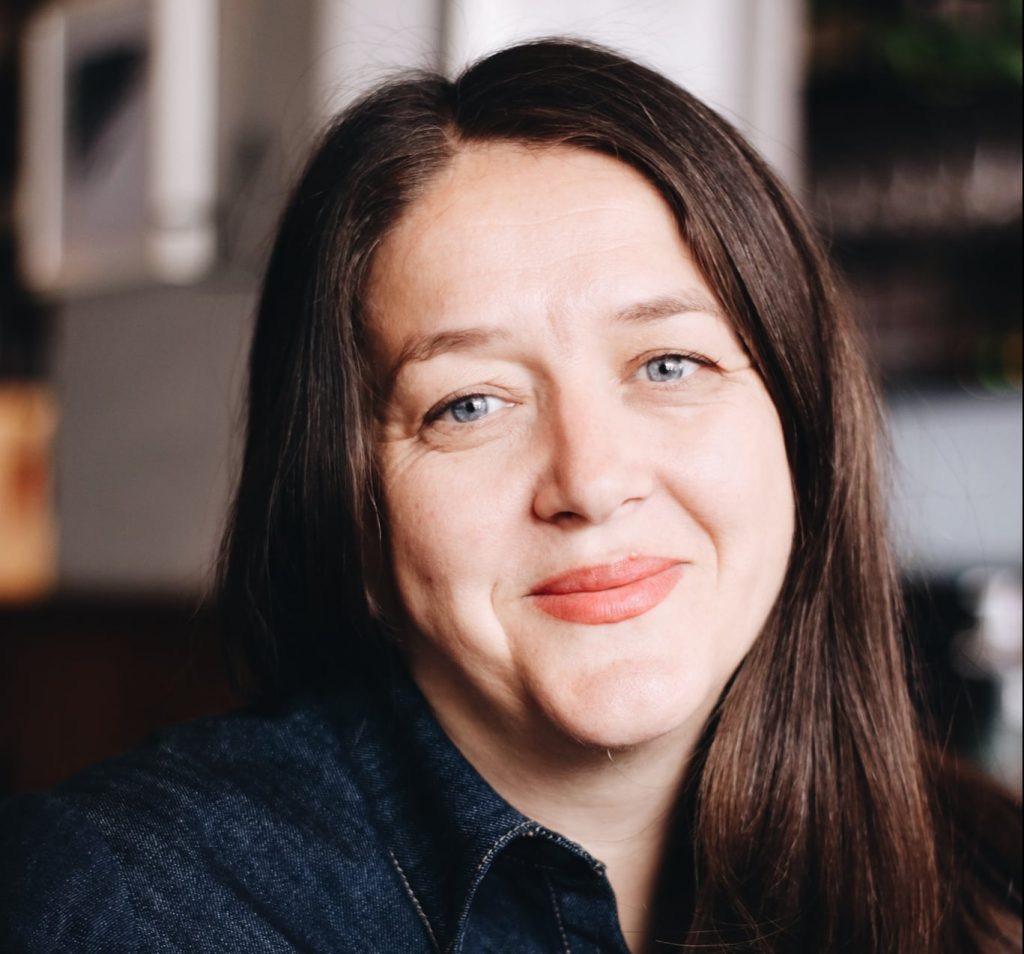
Luljeta Demolli
Luljeta Demolli is a sociologist with extensive experience in project management, specifically dealing with gender issues in Kosovo. She has been working for 20 years at the Kosovar Center for Gender Studies in Prishtina, Kosovo, as a Lead Researcher, Project Manager, and now Executive Director. Her main activities include public policy advocacy related to gender equality and gender studies, transforming the social status of women with a special emphasis on women’s rights, encouraging and supporting women’s culture and knowledge through research, developing a culture of dialogue free from gender-based violence, reviewing policies from a critical feminist perspective, conducting research for publications, and promoting gender studies programs in higher education. Mrs. Demolli has in-depth knowledge of political and social circumstances due to her previous experience in press and media bodies. She also has extensive experience with civil society and communication with different stakeholders within the sector.
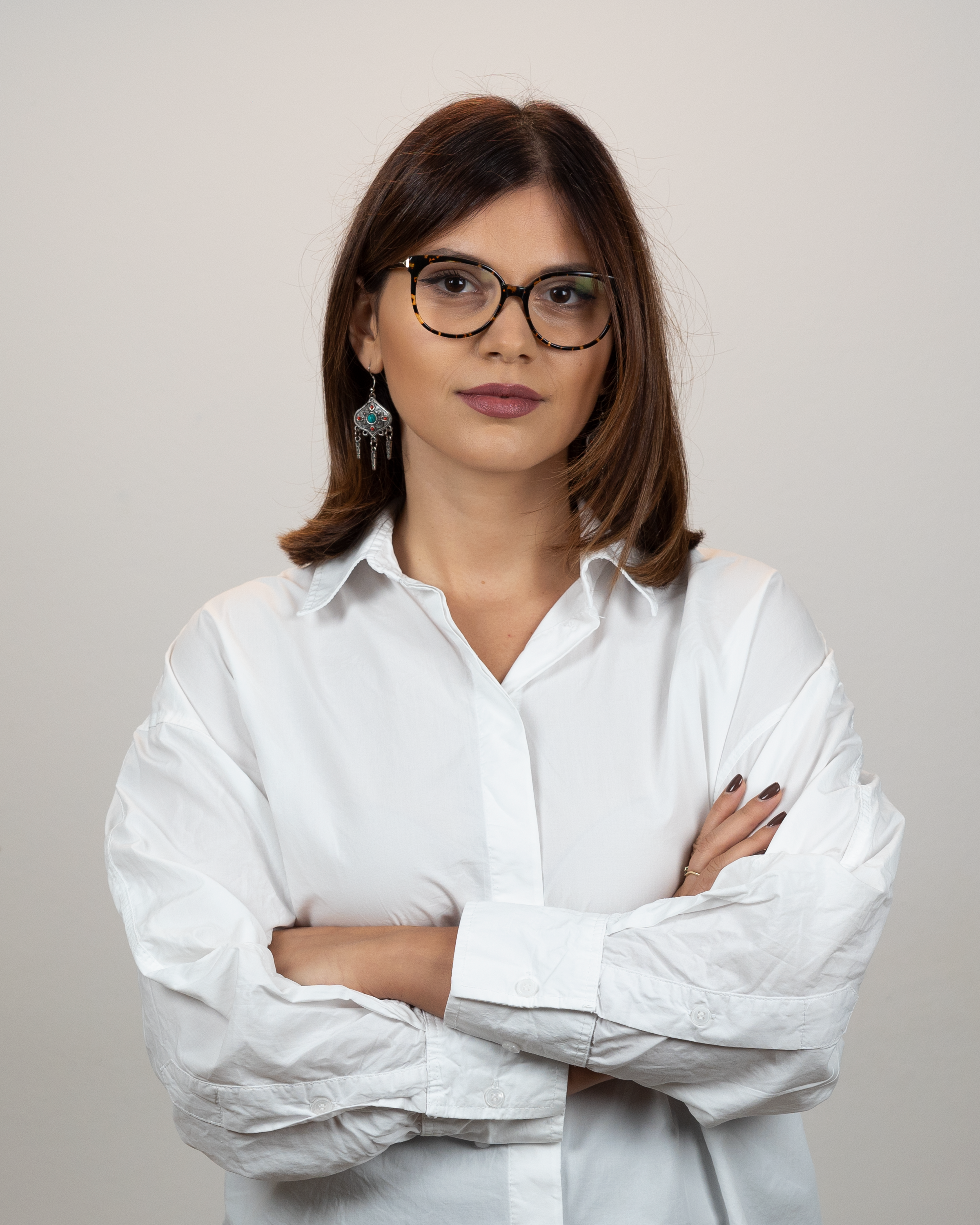
Hana Bicaj
"Hana Bacaj is the Director of the Research Department at UBO Consulting in Prishtina. She holds an MA in Economic Development and a Graduate Certificate in Gender Studies from Vanderbilt University in Nashville, Tennessee (USA). She is an experienced researcher with a demonstrated history of working in the development sector. Through her experience in international organizations and consulting firms in Kosovo, the United States, and Latin America, she has become an agent of positive change in Kosovo, particularly in the fields of education and employment, which are two core determinants of community development. Her career aspirations focus on assisting communities in need, with a primary emphasis on the education and employment of women, youth, and other vulnerable groups".

Dita Dobranja
"Dita Dobranja is a dedicated feminist economist with over 13 years of extensive experience in research design, policy analysis, and strategic planning. She has led more than 30 economic research projects focusing on labor markets, women’s economic empowerment, and gender equality. As a member of the International Association of Feminist Economics, Dita has consistently contributed to the discourse on gender equality through her roles in various organizations, including UNICEF, the World Bank, and the European Union. She is also the lead researcher in several pioneering reports that were the first of their kind in analyzing women's economic opportunities and barriers in Kosovo, which remain highly relevant today”.
17
Wednesday
- 17:00 - 18:00
- Peja’s Art Gallery/ Galeria e Arteve Pejë
- Back